

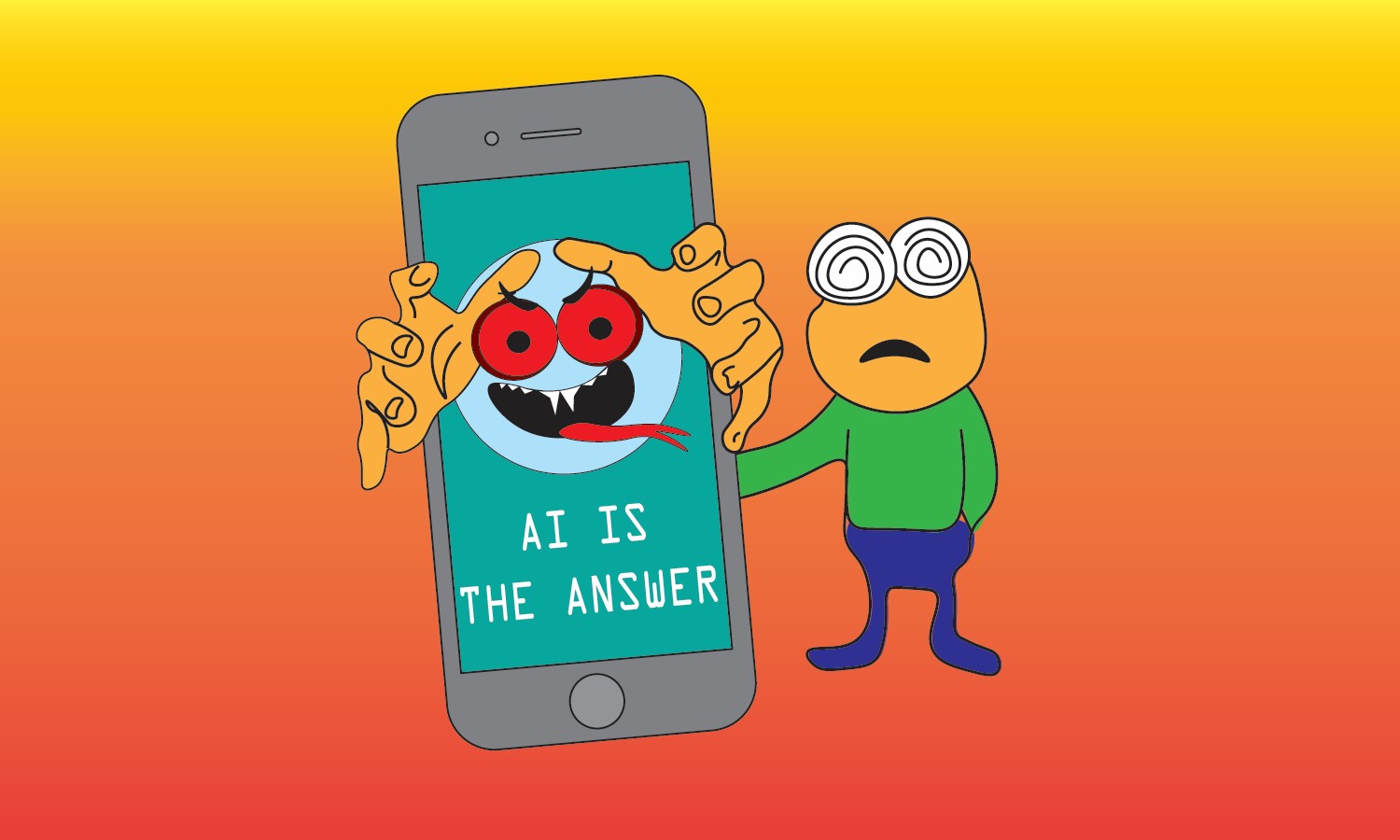
The Rocket wrote last March about the government not taking itself seriously enough, especially when trying to approach younger voters. Now it’s time for young people to hold up their end of the bargain.
Social media can be an incredibly useful tool for spreading awareness and supporting causes, but the unseriousness, performative activism and influencing for clicks can massively undermine any progress made toward good causes.
The rise in online activism has upsides and drawbacks. A lot of these creators have truly good intentions, many accrue sources properly and some share news doing everything correctly. These creators, in tandem with trained journalists, provide much of the education needed for staying up to date with current events.
The problem happens because many of the social platforms pay for views or advertising space in some way without actually vetting content. The result is news influencers who can outwardly appear perfectly credible but omit proper sources or share information irresponsibly while presenting it as fact.
The problem here is obvious. It is also not going anywhere. This is where it falls on us as young people, the target audience for much of this content, to take our consumption of news seriously. You can engage with news influencers, even the ones that may not be credible. What becomes imperative is following up with your own research. It is really easy to see something online, immediately take a stance and start posting your opinions about a topic based on facts that are shoddy at best.
Influencers will spread a message to act like they’re “down with the cause” before they have done enough research to even figure out what the cause is, much less who it is benefitting.
This type of internet activism, even with the purest of intentions, can be extremely detrimental to real causes. Publicly presenting opinions based on bad information counteracts positive change and lessens the impact of serious topics.
The government sees this discourse without taking the proper action to ensure educated conversation, then they see the way memes and artificial intelligence (AI) videos catch the eyes of young viewers. Their response can be posting things such as the video President Trump posted portraying democrats as jungle animals. This included a clip that has received widespread outcry about what many are calling a racially-charged portrayal of former President Barack Obama and former First Lady Michelle Obama as apes.
Not only is this sort of activity by government officials also degrading public political discourse, it makes gathering proper information from government sources even harder, because you can never know when clicking on the president’s social media page whether you will see an official announcement or an AI video of President Trump flying a fighter jet while wearing a crown and dumping what looks like dirt, or worse, on protesters.
The flip side of this is people genuinely interacting with this content as if it is beneficial or responding to serious content with unseriousness or insincerity. There’s typically nothing wrong with coping with conflict through humor, but minimizing real issues by responding with humor or interacting with AI videos that provide nothing to actual discourse is only going to limit any actual productive conversation.
To an extent, the government is a reflection of the people. If we as young people want to flip the narrative and stop things like the @headquarters67 handle (whether that reference was actually intentional or not and was later changed to @headquarters68) from happening, we have to take our approach to social media seriously as well. It goes beyond looking like a good person and feigning involvement.
Unless we want to be remembered as the generation who was swayed politically by instagram memes and AI videos, it’s time to start actively and appropriately participating in political discourse or time to stop pretending like we want to be involved.