CONTENT WARNING: This story contains references to content that could be considered obscene.
Advancements in video editing have created some visual marvels over the years, but usually content of someone’s likeness was limited to a person physically appearing on camera, or at least adherence to legal guidelines protecting people from harmful content.
Generative artificial intelligence video is blurring the lines of what is possible, socially acceptable and moral when it comes to the use of others’ likenesses.
AI works by pulling content from all over the internet to give the user an answer or solution. When users input a task, AI searches the internet for keywords and answers the question for them, often without referencing the article or website the information was pulled from. This leads to the writers of these articles not being properly attributed for their work. When it comes to generative AI, it does relatively the same thing. Users input content they want created and AI generates it by pulling examples from your prompt and the internet. This, once again, leads to the artists and producers of that original content not properly being attributed for their work, style or technique. Creators who actively use generative AI to produce video are often ripping off those who initially created that art, film, etc.
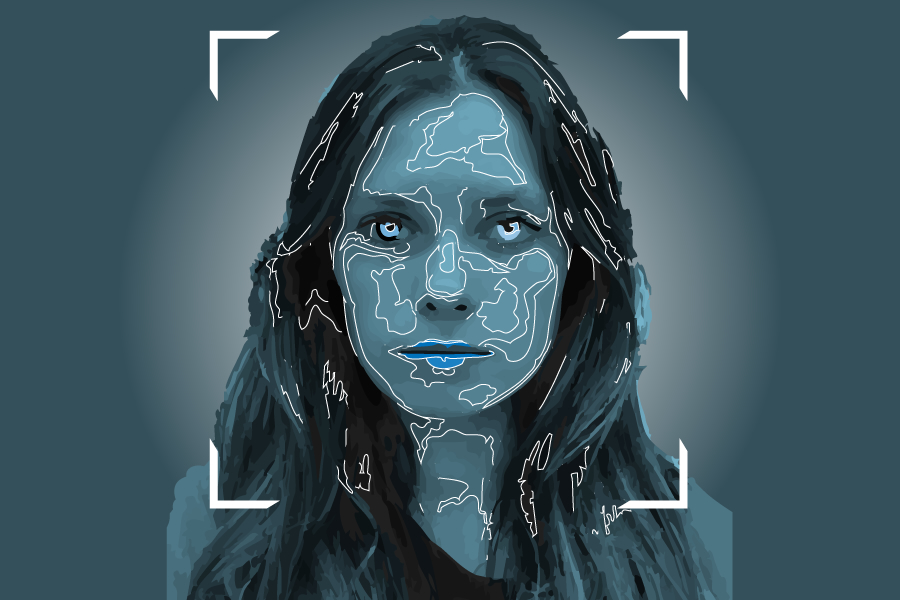
Additionally, generative AI doesn’t just include the option to submit a prompt, it also allows users to include photos or videos of anything they want for the AI to analyze and alter. In recent years, generative content called “deepfakes” have been circulating the internet. These are pieces of generative media that look so similar to reality that it is hard to tell whether the content is generated or real.
Generative AI and “deepfakes” become even more concerning and morally unsound when minors are taken into consideration. While most social media platforms have set boundaries in place for minors, such as an age restriction, it is very easy for underage users to lie about their age to have access to an application. With applications like TikTok where the minimum age requirement is 13, young people who use the application are now vulnerable to “AI remixes” where users can take any uploaded content and alter it using generative AI. This, in turn, can lead to unethical content production of underage user content.
Not only has generative AI become commonplace within social media platforms, it has also become commonplace as a fund saver. In recent years, it has become more and more common for businesses to use generative artificial intelligence to create logos and promotions. This, in turn, takes away from the potential for a designer or artist to spread their work. With how AI works, more artists are getting their work ripped off while also having their jobs replaced by AI.
According to a 2024 study by the New York State Office for the Prevention of Domestic Violence, 96% of of deepfakes are nonconsensual sexual deepfakes. For the purpose of this study, deepfakes are defined as “an image or recording that has been altered or manipulated to misrepresent someone doing or saying something that they never did,” and sexually explicit deepfakes refer to “an image or recording that has been altered or manipulated to misrepresent someone performing a sexual act or saying something of a sexual nature that they never did.”
Purely with the relevance of editing capabilities, it feels unavoidable that some people will take advantage of them to construe images for their own personal uses, but the slope of morality becomes incredibly steep as you near sexually explicit content without one’s consent.
The existence of any images altered to create sexually explicit deepfakes is, at best, a massive invasion of privacy.
In a society where creating deepfakes is only going to become easier, to the point where anyone could write one sentence to make another person do whatever they want, in whatever fashion they want, the concept of 96% of deepfakes being nonconsensual sexual deepfakes likely will not hold. The fact that it even has to be considered, though, is horrifying.
We live in a world where being skeptical of everything you see online is increasingly important. In the coming years, we will all likely see videos of politicians, celebrities and everyday people you know at work saying or doing things they would never say or do.
In an age of dying media literacy, it will become increasingly harder to be media literate. The progression of technologies that promote misinformation without proper regulation is dangerous. But then again, how do you regulate something with no precedent?
It is difficult to imagine a world where the people making money from these ventures choose to stop based on morality. For what it’s worth, there are certainly plenty of people using this technology in a light-hearted way, but the risks presented pose too much of a threat to the flow of information to not be more vigilant than ever.