

Scientists have been warning society about climate change and the end of the Earth for decades now.
Our rivers are cleaner, we pollute less and people aren’t dying as much from air pollution in places like industrial-age Pittsburgh, where black smog would occupy the streets to the point of clouding visibility.
But that is only in the United States, which is no longer a part of the Paris Climate Accord, and some other industrialized nations.
As we approach Earth Day, The Rocket questions how much progress we have made.
Being cynical and upset by our pace of progress is becoming a cliche at this point, but the numbers aren’t lying. The planet is heating, we only have 60 years left of topsoil, we dump millions of tons of plastic in the ocean every year and who knows how much oil we have left.
For every old problem we have made progress on, it seems we have another 10 more to solve as the pace of our consumption and race for technological superiority takes priority. At this point, we are a dog chasing its own tail, creating another mess as we clean up the previous one.
Even more concerning, the whole world is not on board—far from it actually. The largest nations in the world, China and India, are making progress on some green initiatives, but are also building record breaking numbers of coal power plants. This does not include much of the developing world who are still in the process of industrializing, and who really do not care what the nations who colonized them a century ago have to say about what they can or cannot do. And can you blame them? The only blueprint developing countries have to reach the level of high-functioning developed countries is the same blueprint that led America and China to economic prosperity and its parasitic pollution.
Besides the fact that maybe only half of the world is on board, the most frustrating part about society’s efforts to become more sustainable and create a healthy future are the aspects of virtue signaling by large corporations.
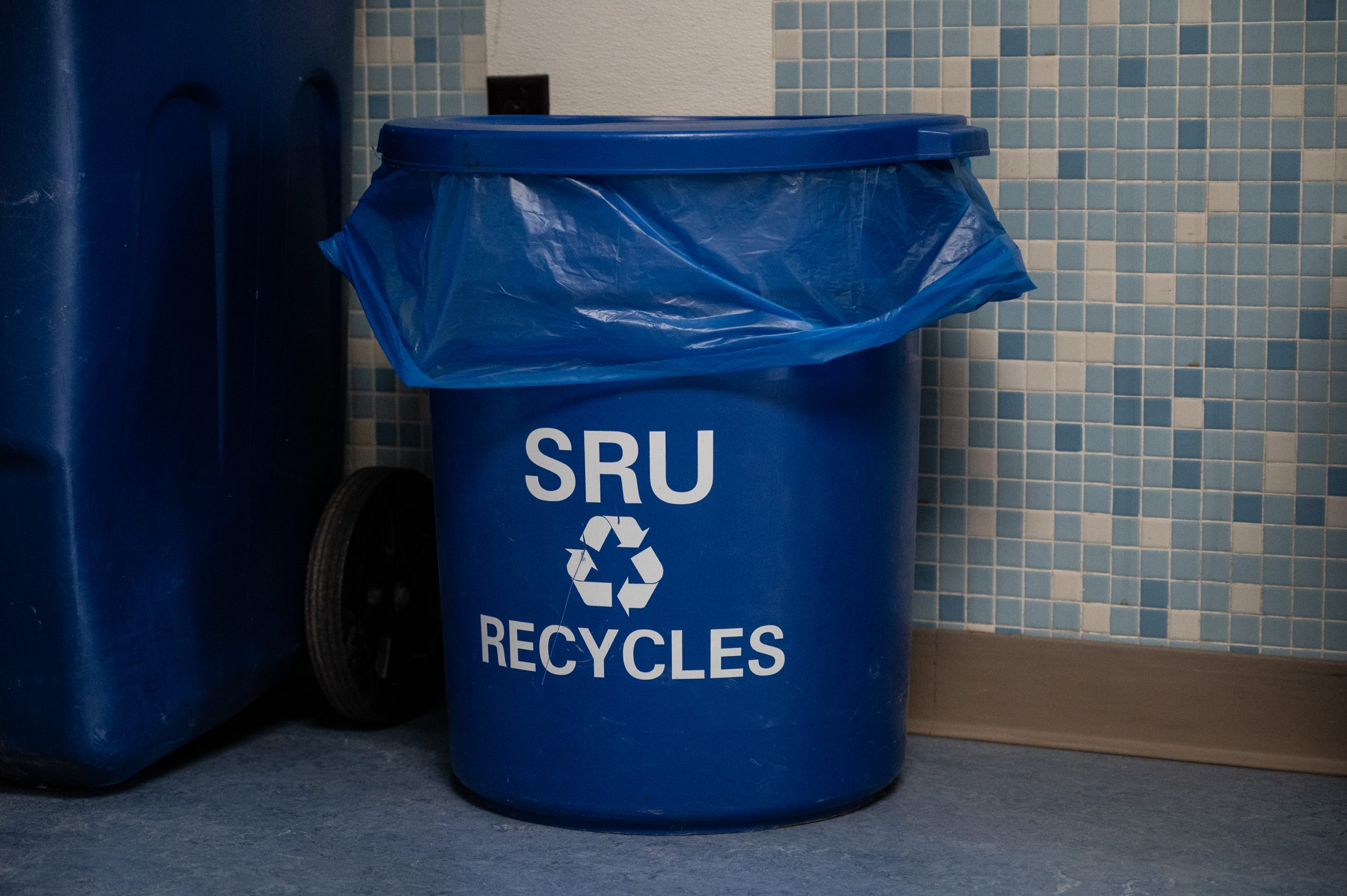
People need to learn what recycling actually is and how it’s a falsehood. It’s to distract and encourage individual responsibility. Anti-litter campaigns have historically been headed by companies who just love to cheaply use plastic and don’t want people to blame them for it.
According to the United Nations Environment Programme, roughly 9% of the seven billion tons of worldwide plastic have been recycled. In 2018, the EPA stated only 32% of plastic is recycled in the US.
Cutting personal plastic use or water consumption is a beginning, but it pales in comparison to industrial pollution, deforestation, and unsustainable agriculture. Expecting a concerted international response to the climate is unrealistic when nations prioritize economic and military supremacy.
Take a look around Target, Walmart, even Rocky’s. How much extra cardboard and plastic do you see? How much do you think will become waste?
But fear not if you are feeling helpless, because after April the hoopla is usually over. Corporations eliminate the green from their logo in preparation for the next awareness month to profit off of. Everyone goes back to living their lives, and we continue to live in blissful ignorance in a cycle of compounding consumption, satisfying our endless animalistic instinct for more.
But nihilism aside, Earth Day falls on a Tuesday and most people have nothing better to do on a Tuesday—so this Earth Day, be a little more mindful of the place you call home.
Even if you do not want to help clean up or plant a tree or whatnot, take a walk outside and appreciate this beautiful planet while we still have it.